
Simple Tips for Keeping Persian Alive at Home | Farsi Language for Kids in Dallas
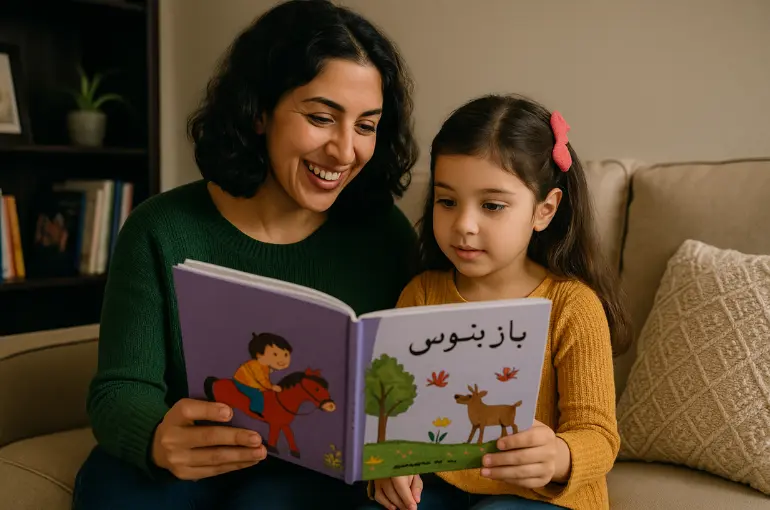
Preserving the Persian language at home can be one of the most rewarding, and sometimes challenging, parts of bilingual parenting for Iranian-American families. As children grow up surrounded by English in schools, media, and social life, many parents wonder how to keep Farsi alive in everyday life.
The good news? You don’t need to be a language expert or have hours of free time. With just a few simple, fun, and consistent habits, you can help your child build a lifelong connection to their heritage through the Persian language.
Whether you’re just getting started or looking to strengthen your efforts, this guide offers five easy, practical Farsi language tips tailored for families living in the U.S. especially those looking for Farsi classes in Dallas or ways to build a bilingual household. Let’s explore how to make Persian a natural part of your family’s daily life.
1. Make Farsi Part of Daily Routines
One of the most effective ways to keep Farsi alive at home is by making it a natural part of your family’s daily routines. Instead of setting aside “study time” for Persian, look for simple, everyday moments to weave in the language—this makes it feel less like a task and more like a lifestyle.
Start small. For example, greet your child in Farsi each morning with a warm “Salām” or say “Shab bekheir” at bedtime. You can also label items around the house with Persian words—like “yakhchāl” for the refrigerator or “ketāb” for books. These small but consistent exposures to the language help your child associate Farsi with familiar objects and activities, reinforcing vocabulary in a fun and visual way.
During mealtimes, try using common Persian phrases like “nush-e jān” or count bites together in Farsi. The more your child hears and uses the language during normal routines, the more comfortable and confident they become over time.
This method supports bilingual parenting by blending language learning into real life. And if you’re in the Dallas area, you can even build on this foundation by enrolling in one of our Farsi classes in Dallas, where kids get to strengthen their skills in a warm, interactive environment.
2. Use Persian Media Together
Children naturally absorb language through stories, music, and visual content—so why not turn screen time into language time? Sharing Persian media at home is a powerful way to strengthen your child’s connection to Farsi while keeping the experience fun and low-pressure.
Start by watching Iranian cartoons or kid-friendly shows in Farsi. Even 15–20 minutes a few times a week can make a difference in how familiar the sounds and rhythm of the language become. You can find many free Farsi for kids videos on YouTube, or explore children’s series from platforms that offer Persian-language content.
Listening to Persian songs together—especially nursery rhymes and upbeat children’s tunes—is another engaging way to boost vocabulary and improve pronunciation. Sing along as a family, or create a “Farsi playlist” for car rides and playtime.
Reading Persian storybooks, even if you’re not fluent, sends a strong message that the language is valued in your home. Many bilingual books include English translations or audio narration to help parents feel more confident.
By making Persian media part of your family’s routine, you’re giving your child bilingual exposure in a playful and relaxed environment—one that naturally supports what they’re learning in school or in Farsi classes in Dallas.
3. Encourage Conversation in Farsi
One of the biggest challenges in heritage language preservation isn’t understanding—it’s speaking. Many children can recognize Farsi words but hesitate to respond in Persian. That’s why creating intentional, low-pressure opportunities for conversation is key to language retention.
Begin with short and familiar phrases during daily activities. For example, ask “mikhāi āb bokhori?” instead of “do you want water?” or “bā man bia” instead of “come with me.” Repeating simple expressions helps your child associate meaning through context and repetition.
To make it more engaging, try setting up “Farsi-only zones” or theme-based activities. One idea is to have a “Persian dinner night” once a week where the whole family speaks as much Farsi as possible. You could even let your child be the “Farsi captain” in charge of reminding everyone to stick to the language—kids love being in control!
Also, encourage Farsi-speaking video calls with grandparents or relatives. These conversations build real-life relevance and emotional connection, showing your child that Farsi is not just a school subject, but a living part of their identity and family culture.
If you live in Dallas, complementing these efforts with our Farsi classes in Dallas gives children the confidence to speak in a supportive environment where their voice—and their culture—are celebrated.
4. Connect with a Local Farsi Class in Dallas
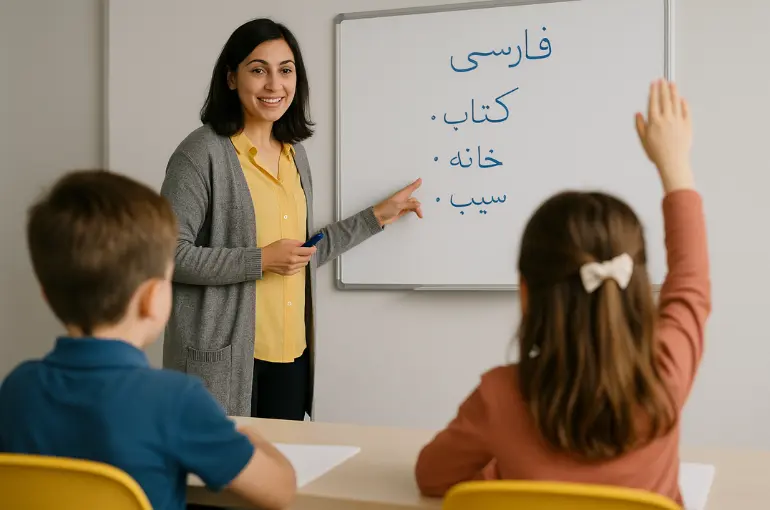
While speaking Farsi at home lays the foundation, enrolling your child in a structured Farsi class in Dallas can take their language learning to the next level. A classroom environment—especially one that’s fun, engaging, and culturally rich—gives children the consistency and support they need to become confident Persian speakers.
Our Persian language school in Dallas is designed specifically for Iranian-American families who want their children to grow up bilingual and culturally connected. Through age-appropriate lessons, interactive activities, and celebration of Persian traditions, we help kids build vocabulary, improve comprehension, and most importantly—feel proud of their heritage.
Unlike many generic language programs, our Farsi classes focus on the unique needs of second-generation children. We teach language in context, incorporating stories, songs, crafts, and games that reflect both modern and traditional Iranian culture.
Parents often tell us that once their kids start attending classes, they become more eager to speak Farsi at home too. The peer connection, structured curriculum, and positive reinforcement they get in class helps transform learning into a joyful experience.
If you’re serious about bilingual parenting, this is one of the most effective ways to ensure that your child not only learns the language but grows up with a strong sense of identity.
5. Celebrate Persian Holidays & Traditions at Home
Language thrives when it’s tied to meaningful experiences—and there’s no better way to make Farsi feel alive than by celebrating Persian holidays and traditions together as a family. These moments create powerful emotional connections and naturally reinforce the use of the language.
Whether it’s Nowruz (Persian New Year), Shabe Yalda (winter solstice), or Mehregan (autumn festival), each occasion offers a rich opportunity to introduce Farsi vocabulary and cultural values in a joyful setting. For example, you can teach your child how to say “eidet mobārak,” explain the items on the Haft-Seen table, or recite short Persian poems related to the season.
Even small traditions—like making Persian sweets together, lighting candles, or listening to classical Persian music—help create memorable associations with the language. When your child experiences Farsi not just as a subject but as part of celebrations, food, music, and family gatherings, they’re more likely to embrace it as part of their identity.
These activities also support bilingual kids by showing them that Farsi has value beyond the classroom or textbook. It becomes the language of celebration, emotion, and belonging.
And if you’re in Dallas, our Farsi classes for kids often include cultural celebrations that complement what you do at home—helping your child feel like they’re part of a larger Persian-speaking community.
Conclusion: Keeping Farsi Alive Starts at Home
Helping your child stay connected to their Persian roots doesn’t require perfection—it simply requires presence, patience, and a little creativity. By weaving Farsi into daily routines, enjoying Persian media together, encouraging conversation, enrolling in Farsi classes in Dallas, and celebrating cultural traditions at home, you create an environment where the language naturally thrives.
Remember, bilingual parenting is not about raising fluent speakers overnight—it’s about planting seeds of identity, confidence, and connection that grow over time. With each “Salām,” story, or shared holiday, you’re keeping Farsi alive in your home—and in your child’s heart.
Looking to take the next step?
Explore our Persian language programs in Dallas and join a growing community of Iranian-American families committed to raising the next generation of proud, bilingual kids.